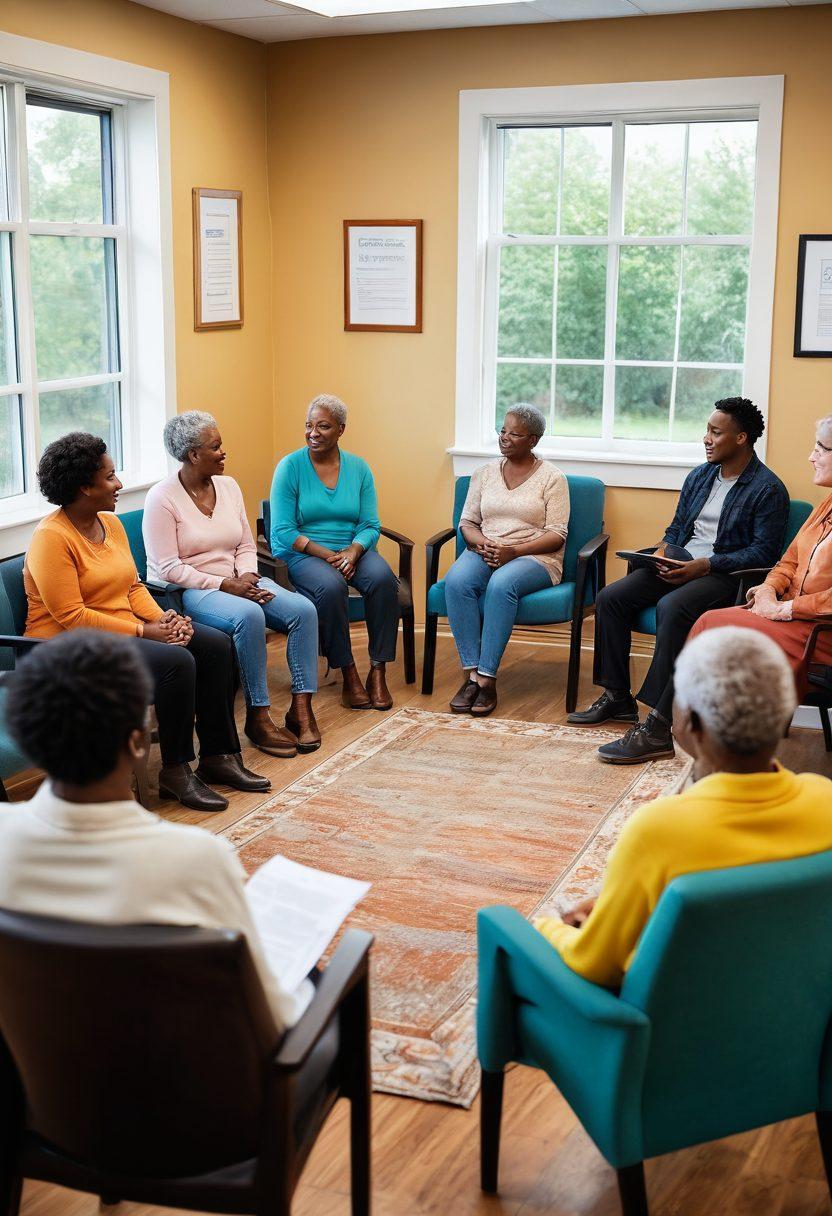
Empowering Your Journey: Navigating Cancer Care with Knowledge and Support
When faced with a daunting diagnosis like cancer, where do you turn? Navigating the complex world of oncology can feel like standing at the mouth of an unknown path, with the shadows of malignant tumors looming ahead. However, this journey is not traversed in isolation; there is an entire community of support, resources, and knowledge at your disposal. Unveiling the path to effective cancer care can empower you not just to survive but to thrive. With the right information and a network of compassionate support groups, you can embark on this journey with hope and clarity.
Understanding the terminology is your first step toward empowerment. Terms such as carcinoma, neoplasm, and tumor might sound daunting at first, but breaking them down can provide insight into your health. For example, do you know the difference between benign and malignant tumors? While benign tumors might not pose immediate danger, malignant tumors may require more drastic treatment options like chemotherapy or radiation therapy. Engaging in patient education can illuminate these distinctions and demystify your diagnosis, turning fear into knowledge.
As you delve deeper into treatment options, you might hear about groundbreaking medical advancements such as immunotherapy and targeted therapies. Why do these options matter? Simply put, they reflect the evolution of how we approach cancer care. Survivor stories have shown how individuals have triumphed through innovative treatments discovered through clinical trials. Engaging in medical research not only informs your treatment plan but can also guide you in decisions that align with your values and preferences. Are you ready to explore these options further?
You might ask, how does one cope with the emotional turbulence that comes with a cancer diagnosis? Palliative care and holistic approaches focus on alleviating suffering and enhancing wellness. Integrating lifestyle changes, such as nutrition and physical activity, into your routine can greatly improve your quality of life during and after treatment. Remember, you are not alone; utilizing resources and engaging in community outreach can provide additional layers of support. What small change can you implement today to improve your overall wellness?
Ultimately, self-advocacy is a crucial component of your healing journey. This means being proactive, asking questions, and seeking the best care tailored to your specific needs. Understanding risk factors, recognizing symptoms early, and participating in screenings can make all the difference. Building a network of support that includes oncologists, healthcare professionals, and fellow survivors can inspire resilience and hope. As you navigate this path, remember: knowledge is power, and your journey is uniquely yours. What will you choose to do with the knowledge you gain?
From Diagnosis to Survival: Your Guide to Empowerment and Wellness in Oncology
Facing a cancer diagnosis can feel overwhelming, leaving you with a whirlwind of emotions and questions. Suddenly, life flips upside down and uncertainty looms large. But what if I told you that knowledge and community support could be your greatest allies on this journey? From the moment you step into the realm of oncology, arming yourself with information and strategies transforms fear into empowerment. Today's discussion is about navigating this intricate path from diagnosis to survival, exploring actionable insights through patient education and self-advocacy that ensure you are not merely a statistic but an active participant in your wellness journey.
Picture this: You visit your doctor only to hear the word 'tumor.' The emotions surge—fear, anger, confusion. However, understanding the specifics—whether it’s a malignant neoplasm or a benign growth—opens the door to informed decisions. What are the risk factors, and what symptoms should you monitor? This is where proactive screening comes into play. Engaging with an oncologist not only provides clarity but also places you on the first step towards effective care. Early diagnosis is key and having knowledge at your fingertips can shape your treatment options, from chemotherapy and radiation therapy to more contemporary strategies like immunotherapy.
Now, let’s talk about treatment modalities. The journey through clinical trials, navigating chemotherapy sessions, and recovering from radiation therapy can leave you feeling vulnerable. But remember, you are part of a greater narrative. Embrace survivor stories that resonate with you. They serve as powerful reminders that thriving amidst a cancer diagnosis is possible. During my own journey, I learned the importance of support groups—not just for sharing stories, but for absorbing wisdom from those who have traversed similar paths. How can you leverage community outreach to gather resources and share experiences?
Additionally, your approach to wellness can significantly influence your journey. Have you contemplated the role of nutrition and lifestyle changes in your recovery? A holistic approach includes not only medical advancements but also preventive measures. Simple steps like adjusting your diet, enriching it with anti-inflammatory foods, and incorporating regular physical activity not only boost your physical strength but also elevate your mental health. The journey is what you make of it; taking control of your well-being is vital and achievable.
Finally, remember that your voice matters. Engage actively in discussions regarding your care, keeping abreast of the latest medical research. Palliative care is about enhancing the quality of life—not just the absence of disease. How can you ensure that your journey through oncology is more than mere survival? By holding onto your empowerment, advocating for yourself, and nurturing connections with healthcare professionals, friends, and family, you can redefine what it means to thrive. Let’s traverse this path together, turning challenges into triumphs while fostering an unwavering spirit of hope.
Building a Supportive Network: The Importance of Community and Resources in Cancer Journeys
In the journey through cancer care, finding a supportive network can be as pivotal as the treatment paths chosen. The landscape of oncology is filled with a myriad of terms—carcinoma, tumor, neoplasm—each representing not just a medical diagnosis, but a personal battle. What if, amidst the chaos of medical jargon and treatment discussions like chemotherapy and radiation therapy, a community could stand as a beacon of hope and information? This is where the importance of a supportive network truly shines, transforming the often isolating experience of cancer into a shared journey of resilience and understanding.
Imagine walking into a room filled with survivors, each with their unique story, but all sharing a common thread of understanding. Support groups become a sanctuary where patients can freely discuss their fears, share tips on lifestyle changes, or even the best nutrition strategies during treatment. As one grateful survivor remarked, 'It wasn’t just the medical advancements that saved me, but the connections I made with others facing the same fight.' Such sentiments underline the transformative power of community outreach and the profound impact of bonding over a shared experience—whether it be navigating symptoms or celebrating milestones like completing a round of immunotherapy.
But building a community goes beyond just attending support groups; it extends to utilizing resources that enhance patient education. From local cancer awareness campaigns to online forums, every effort counts. The question is, how can we go about creating these networks? Start by reaching out to your oncologist or healthcare provider. They often have access to valuable information regarding local support resources and can recommend additional avenues such as clinical trials or educational workshops that focus on cancer wellness and palliative care. Recognizing risk factors and participating in screening can also help in taking proactive steps towards one’s health.
The heart of the matter lies in self-advocacy. Patients often find themselves at the center of a healthcare system that can feel overwhelming. However, armed with knowledge about medical research and treatment options—including emerging therapies like radiotherapy and evidence-backed nutritional approaches—patients can feel a sense of control in their journey. It's about walking into your next appointment with questions ready or finding ways to support one another through holistic approaches, which not only address physical ailments but also emotional well-being.
Moreover, reflecting on survivor stories serves as a motivational reminder that hope can flourish in even the most malignant circumstances. Whether it's a tale of turning points during treatment or small victories against the odds, these narratives inspire and encourage others to forge connections, pursue preventive measures, and embrace the journey ahead. So, let us embrace the journey together—whether through the shared wisdom of those who’ve walked the road before or through community initiatives that illuminate the path toward wellness and recovery. After all, cancer may be a formidable opponent, but a unified community can create a powerful force of strength, support, and healing.